Build a reusable errand kit for your usual route
Compare foldable shoppers, structured totes and insulated bags with a packing and cleaning routine.
By Remora Finds Editorial · 2 min read
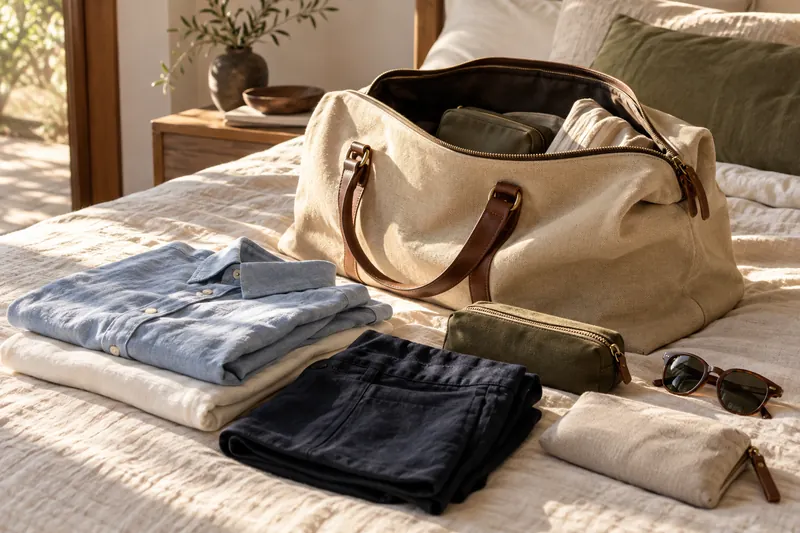
Category-based editorial guidance. AI-generated lifestyle imagery depicts fictional styled scenes, not actual Amazon products. No individual products are tested or rated here.
Compare options for your day
| Your use | Category to consider | What to check |
|---|---|---|
| Unplanned small purchases | Foldable shopper | Fits in a daily bag, but check handle comfort and the stated load limit. |
| Library books or bulky dry goods | Structured tote | A stable base can help organize the load; empty weight and bulk are the tradeoffs. |
| Grocery trip with chilled items | Insulated grocery bag suited to the trip | Follow food-safety guidance; insulation alone is not a temperature guarantee. |
What to measure and compare
Measure your usual grocery or library load and check the stated carrying capacity and handle construction. Compare folded size with the pocket or tote where the spare bag will live. Read washing and drying directions; different coatings and linings need different care. For a food container, require explicit information about intended food use and any temperature, microwave or dishwasher limitations.
A practical styling example
For a walking errand, wear comfortable shoes, jeans and an overshirt, and tuck a folded shopper inside a crossbody or daily tote. For a planned grocery trip, use a larger bag and keep the spare folded in an outer pocket. A dark main bag with one contrasting pouch makes the spare easier to spot without buying a matching set. Keep the kit light enough for the return walk.
Try the setup before you buy
Keep produce separate from raw meat, poultry, seafood and eggs, following FDA grocery guidance. Empty the kit after each trip, clean it according to the maker’s instructions and allow it to dry before storing. Do not use a dirty grocery bag for clean clothing without cleaning it first. Avoid environmental savings claims based solely on a material label; the practical first step is using and caring for what you already own.
Before you buy
- Check intended load, handle length and care directions.
- Verify container suitability for the food and temperature involved.
- Choose a visible return spot so the kit leaves home again.
Further reading
Official guidance checked October 19, 2026. Recheck current instructions before travel or purchase.
This guide contains no affiliate shopping links. Read our affiliate disclosure and editorial approach.