A small-space entryway for keys, bags and shoes
Choose between wall hooks, a slim cabinet and a portable basket with measurements and renter-friendly planning.
By Remora Finds Editorial · 2 min read
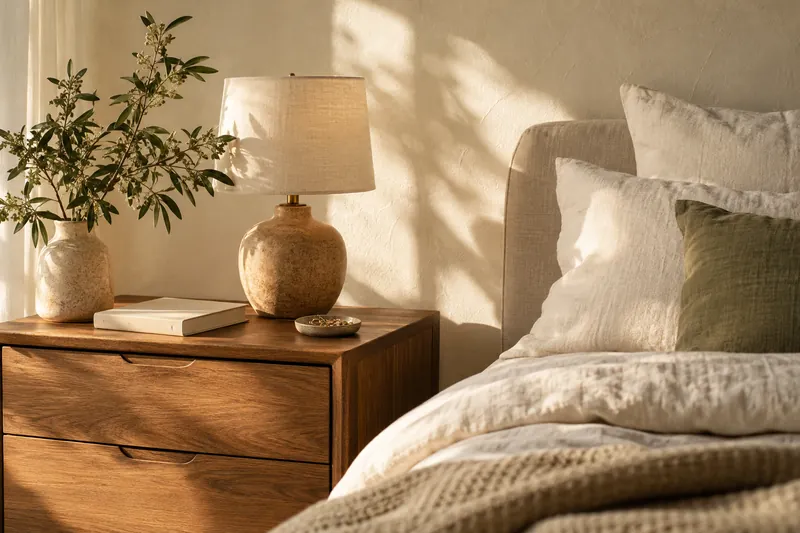
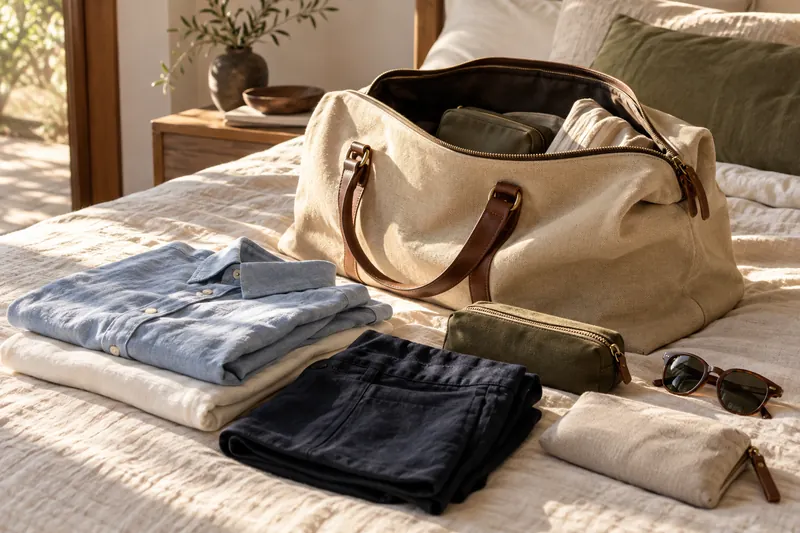
Category-based editorial guidance. AI-generated lifestyle imagery depicts fictional styled scenes, not actual Amazon products. No individual products are tested or rated here.
Compare options for your day
| Your use | Category to consider | What to check |
|---|---|---|
| Narrow passage | Shallow key shelf and a small shoe zone | Check door swing and projecting hooks; avoid a setup that catches coats as people pass. |
| Rental with mounting limits | Existing cabinet top and a freestanding basket | Check lease requirements and floor protection; do not assume adhesive avoids surface damage. |
| Family drop zone | Individual hooks or labeled compartments | Allow room for actual bags and follow mounting and furniture anchoring instructions. |
What to measure and compare
Record wall width, usable depth, baseboard projection and nearby switch locations in inches. Mark the proposed footprint with painter’s tape where appropriate for the surface. Open the door fully and walk through carrying groceries. For hooks, read the fixing method, surface compatibility and rated load for the complete installation. A removable adhesive hook is not automatically suitable for every wall or a heavy work bag.
A practical styling example
Try a wood tray for keys, a dark washable mat where suitable, and one basket for daily accessories. Repeat a color from a coat or tote to connect the entry with the room beyond. Hang only the coat and bag in current use; move seasonal pieces to a closet. In a studio, a small part of an existing bookcase can serve as the landing zone.
Try the setup before you buy
Test the routine on a rainy day and a grocery day. Check where wet shoes will dry without damaging flooring or blocking the route. Do not buy a bench unless there is room both for its footprint and for someone to sit and stand. Sort mail over a recycling bin once a week and return borrowed items to a labeled outgoing spot.
Before you buy
- Measure cabinet depth including handles, hinges and open doors.
- Check wall type, mounting hardware and the stated installation load.
- Choose surfaces and mats compatible with your floor’s care instructions.
This guide contains no affiliate shopping links. Read our affiliate disclosure and editorial approach.